Ginseng Extract Supplier Guide: Ginsenoside Standards, Manufacturing Process and Applications
What Is Ginseng Extract?
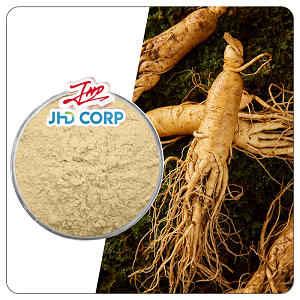
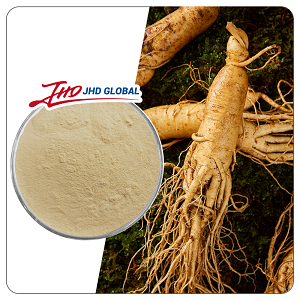
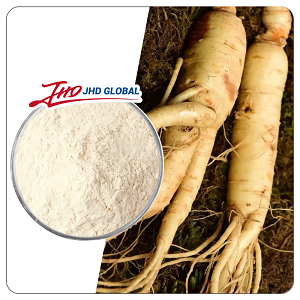
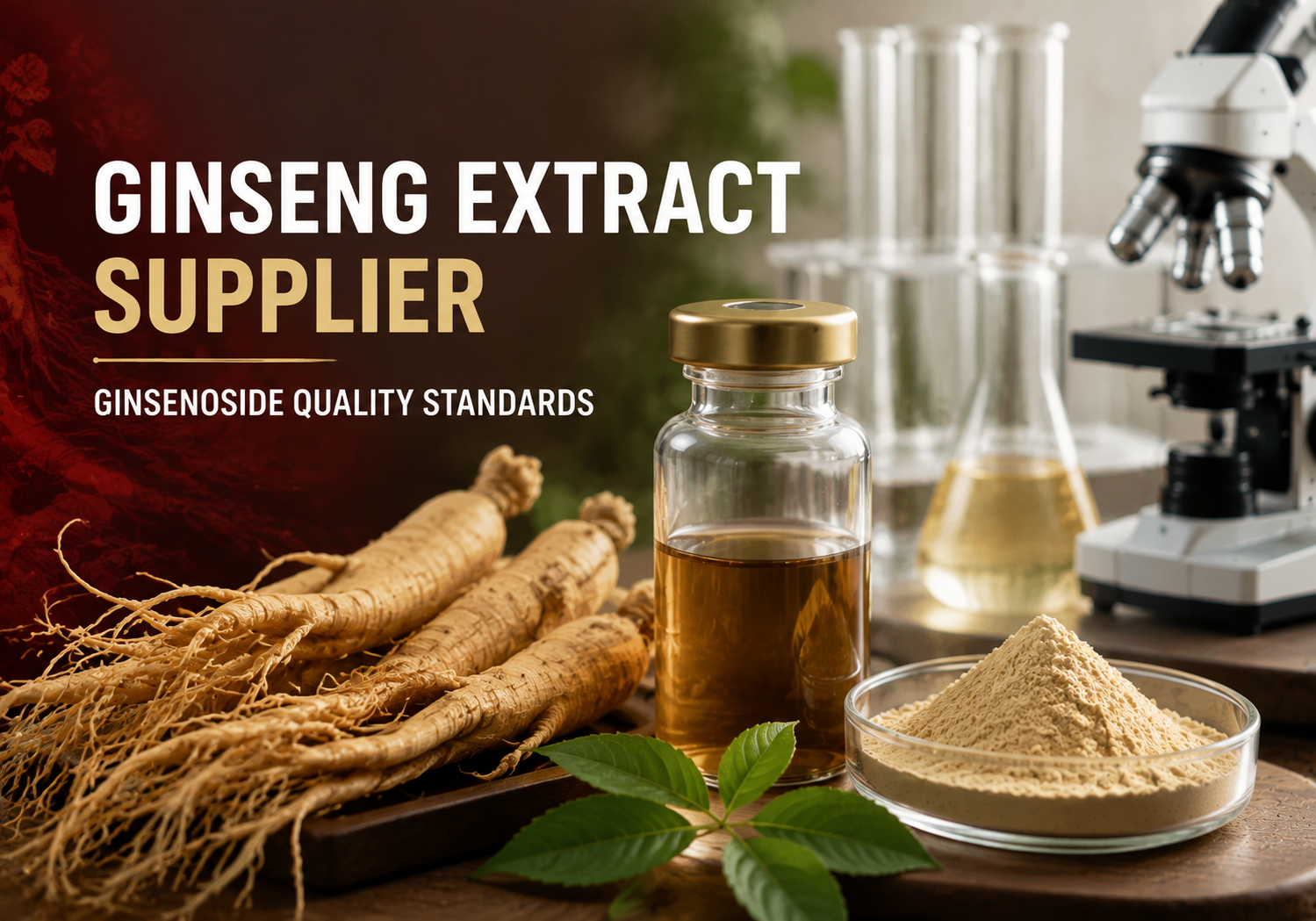
Ginseng extract is a concentrated botanical ingredient produced from the roots of ginseng plants.
The most commonly used species include:
- Panax ginseng (Asian/Korean ginseng)
- Panax quinquefolius (American ginseng)
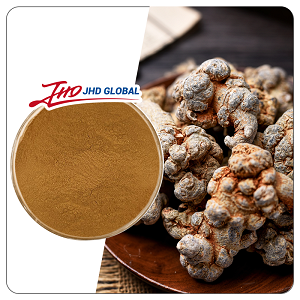
- Panax notoginseng (Notoginseng)
The primary bioactive compounds in ginseng are called ginsenosides. These triterpene saponins are commonly used as quality markers when evaluating standardized ginseng extracts. Research published through National Library of Medicine – Ginseng and ginsenoside research provides scientific information regarding ginseng chemistry and biological compounds.
Ginsenosides are triterpene saponins that are commonly used as quality indicators for standardized ginseng extracts.
Ginseng Powder vs Ginseng Extract
Many supplement brands compare raw ginseng powder with concentrated extract.
| Feature | Ginseng Powder | Ginseng Extract |
|---|---|---|
| Processing | Dried and ground root | Concentrated extraction |
| Active compounds | Naturally variable | Standardized |
| Potency | Lower | Higher |
| Application | Traditional products | Premium supplements |
| Quality control | Basic | Advanced |
For commercial supplement development, standardized ginseng extract is often preferred because manufacturers can control ginsenoside levels more accurately.
Why Choose a Professional Ginseng Extract Supplier?
A qualified supplier should provide more than botanical raw materials.
A reliable ginseng manufacturer should support:
- Raw material authentication
- Standardized specifications
- Quality testing
- Documentation
- Global supply capability
1. Raw Material Quality and Ginseng Species
The quality of ginseng extract starts with botanical identification.
Species Authentication
Suppliers should clearly specify:
- Scientific name
- Plant species
- Plant part used
- Country of origin
Different ginseng species may have different:
- Ginsenoside profiles
- Chemical composition
- Market applications
Cultivation Conditions
Factors affecting ginseng quality include:
- Growing environment
- Soil conditions
- Harvest period
- Plant age
Professional suppliers should maintain traceability throughout the supply chain.
2. Ginseng Extract Manufacturing Process
A professional ginseng extract manufacturer follows controlled production procedures.
Step 1: Raw Material Preparation
The process typically includes:
- Cleaning
- Drying
- Grinding
- Raw material inspection
Step 2: Extraction
Common extraction methods include:
Water Extraction
Used for extracting:
- Polysaccharides
- Water-soluble compounds
Advantages:
- Clean-label processing
- Suitable for natural formulations
Ethanol Extraction
Commonly used for extracting:
- Ginsenosides
- Bioactive saponins
Advantages:
- Higher extraction efficiency
- Widely used in commercial botanical production
Step 3: Concentration and Drying
After extraction:
- Filtration
- Concentration
- Spray drying
produce the final powder ingredient.
Common products include:
- Ginseng extract powder
- Standardized ginseng extract
- Customized botanical blends
Ginsenoside Standardization and Quality Specifications
Ginsenoside content is one of the most important quality indicators for ginseng extract. Professional suppliers typically evaluate total ginsenosides and individual ginsenoside profiles through analytical methods such as chromatography. Standardized testing approaches for botanical and nutritional ingredients are supported by AOAC INTERNATIONAL – Analytical testing standards.
Common specifications include:
- Total ginsenosides
- Individual ginsenoside profiles
- Extraction ratio
Typical commercial specifications:
| Specification | Common Range |
|---|---|
| Total Ginsenosides | 1%–80% |
| Extract Ratio | Customized |
| Powder Form | Spray dried |
The correct specification depends on:
- Product positioning
- Dosage requirements
- Formula design
Quality Testing Requirements for Ginseng Extract
A reliable ginseng extract supplier should provide comprehensive testing.
1. Ginsenoside Testing
Testing confirms:
- Total ginsenoside content
- Individual ginsenoside profile
- Batch consistency
Common analytical methods:
- HPLC analysis
- Chromatographic identification
2. Botanical Authentication
Professional suppliers verify:
- Species identity
- Raw material authenticity
- Adulteration risks
3. Contaminant Testing
Quality testing usually includes:
Heavy Metals
Testing for:
- Lead
- Mercury
- Arsenic
- Cadmium
Microbial Testing
Including:
- Total plate count
- Yeast and mold
- Pathogens
Pesticide Residue Testing
Especially important for agricultural botanical materials.
Applications of Ginseng Extract
Ginseng extract is widely used in multiple supplement categories.
Energy and Vitality Supplements
Common applications include:
- Daily energy formulas
- Active lifestyle products
- Functional beverages
Healthy Aging Products
Ginseng is commonly incorporated into:
- Longevity formulas
- Wellness supplements
- Premium botanical blends
Sports Nutrition
Applications include:
- Performance support formulas
- Recovery products
- Active nutrition products
Functional Beverages
Ginseng extract is used in:
- Herbal drinks
- Energy beverages
- Wellness beverages
How to Choose a Reliable Ginseng Extract Supplier
Before selecting a supplier, brands should evaluate:
1. Standardization Capability
A professional supplier should provide:
- Defined ginsenoside levels
- Batch-to-batch consistency
- Testing documentation
2. Manufacturing Experience
Evaluate:
- Botanical extraction expertise
- Production capacity
- Quality management systems
3. Documentation Support
Important documents include:
- COA
- Specification sheet
- SDS
- Testing reports
- Certifications
4. Global Supply Capability
International brands should consider:
- Export experience
- Logistics support
- Regulatory knowledge
Common Mistakes When Buying Ginseng Extract
Mistake 1: Ignoring Ginseng Species
Different Panax species have different chemical profiles.
Always confirm:
- Species
- Origin
- Extraction method
Mistake 2: Looking Only at Extract Ratio
A higher extraction ratio does not always mean better quality.
Brands should evaluate:
- Active compound levels
- Purity
- Testing results
Mistake 3: Missing Authentication Testing
Because ginseng is a valuable botanical ingredient, authentication is critical for preventing substitution.
Future Trends of Ginseng Extract Ingredients
Premium Standardized Extracts
The market is moving toward:
- Higher transparency
- Defined active compounds
- Better documentation
Combination Botanical Formulas
Brands increasingly combine ginseng with:
- Vitamins
- Adaptogens
- Functional mushrooms
Clean Label Sourcing
Consumers increasingly value:
- Traceable sourcing
- Sustainable agriculture
- Transparent manufacturing
Why Partner With Ingredients Supply?
Ingredients Supply provides high-quality botanical ingredients for global supplement brands.
Our ginseng extract solutions include:
- Standardized ginseng extracts
- Botanical ingredient sourcing
- Quality testing support
- Customized specifications
- Global supply solutions
With professional manufacturing capabilities and strict quality management systems, we support brands developing reliable natural health products.
Frequently Asked Questions (FAQ)
What should I look for in a ginseng extract supplier?
A reliable supplier should provide authentic raw materials, standardized ginsenoside content, testing documentation, and consistent manufacturing capability.
What are ginsenosides in ginseng extract?
Ginsenosides are naturally occurring compounds in ginseng that are commonly used as quality markers for standardized extracts.
What is standardized ginseng extract?
Standardized ginseng extract is produced with controlled levels of active compounds to ensure consistent ingredient quality.
How is ginseng extract tested?
Testing usually includes:
- Ginsenoside analysis
- Botanical identification
- Heavy metal testing
- Microbial testing
Conclusion
Choosing the right ginseng extract supplier is essential for supplement brands developing high-quality botanical products.
A professional supplier should provide:
- Authentic ginseng sourcing
- Advanced extraction technology
- Accurate ginsenoside standardization
- Comprehensive testing
- Reliable global supply
As demand for natural wellness ingredients continues to grow, ginseng extract remains a valuable botanical ingredient for innovative supplement formulations.