2026 Nutraceutical Ingredient Trends: What B2B Buyers Need to Know
For a brand, a trend is a marketing opportunity. For a buyer, it is a supply chain variable — either an advantage or a problem.
Ingredient trends translate into real operational constraints: lead times lengthen, MOQs climb, and documentation requirements tighten as a category matures. Buyers who position one to two quarters ahead of the curve secure capacity on better terms. Buyers who react late face allocation, spot pricing, and reformulation.
This guide covers the trends defining 2026 and converts each one into a concrete sourcing action.
Market Baseline
The global dietary supplement market reached 🔗[[USD 72.88 billion in 2025]], with sports nutrition leading growth at 8.4% year-over-year. Within ingredients, plant-based materials continue to gain structural share — MarketsandMarkets notes that 🔗[[plant-based ingredients are expected to account for the largest share]] of the nutraceutical ingredients market, supported by rising demand for clean-label and traceable sourcing.
Two reference points help frame the year: Mintel and Black Swan identified 🔗[[creatine, collagen and glutathione]] as standout functional ingredients for 2026, while Nutritional Outlook, working with market research firm SPINS, published its 🔗[[2026 Ingredients to Watch]] analysis of the categories driving product development.
Trend 1: GLP-1 Companion Nutrition
The rapid adoption of GLP-1 receptor agonist medications has created an entirely adjacent supplement category almost overnight. The 🔗[[GLP-1 companion supplement market reached USD 2.2 billion]] in 2026, and it is still in its early formation.
Companion formulations cluster around four needs:
- Muscle preservation — protein, amino acids, creatine, HMB
- Nutrient gap coverage — B vitamins, electrolytes, micronutrients
- Digestive tolerance — fiber, digestive enzymes
- Hydration — electrolyte blends in convenient formats
Sourcing action: This is the most supply-volatile category on the list. Brands are competing for the same protein, amino acid, and creatine capacity. Lock annual volume early, and be conservative with claims — companion positioning must stay within structure/function boundaries and cannot imply treatment of any medical condition.
Trend 2: Creatine Goes Mainstream
Creatine has moved decisively beyond sports nutrition into healthy aging, women's health, and cognitive positioning. This is the year it becomes a general-wellness active rather than a gym SKU.
🔗[[Creatine monohydrate]] remains the reference form: it has the strongest evidence base, the best cost position, and excellent stability. Demand is now broad enough that supply tightness appears in peak seasons.
Sourcing action: Treat creatine as a contract item rather than a spot purchase. Specify particle size — micronized grades behave very differently in powders, stick packs, and gummies — and confirm the supplier assay method, as low-purity material is a persistent issue in tight markets.
Trend 3: Longevity and Healthy Aging
Longevity has shifted from niche biohacker positioning to mainstream premium retail. NAD+ precursors, 🔗[[resveratrol]], CoQ10, and related actives anchor the category.
Sourcing action: This is the most claims-sensitive segment. Verify that every structure/function statement fits the regulatory framework of your target market, and demand stability data for premium actives — several longevity compounds are oxidation- or moisture-sensitive and lose potency well before a printed expiration date.
Trend 4: Beauty-from-Within and Collagen
Collagen remains a volume driver, most often formulated with 🔗[[vitamin C]] as a supporting nutrient. Commercial differentiation now comes from peptide source (marine vs. bovine), molecular weight, and solubility rather than from the collagen itself.
Sourcing action: Origin documentation is critical. Confirm species, country of origin, and religious compliance certification (halal, kosher) against your target market before contracting, since these constraints cannot be fixed downstream.
Trend 5: Functional Mushrooms and Adaptogens
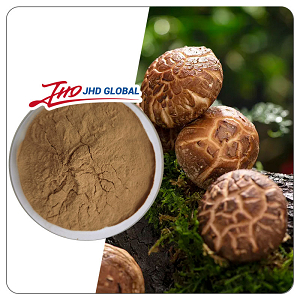
Demand for functional mushroom extracts continues to expand beyond capsules into coffee, beverage, and ready-to-mix formats. Specification discipline is what separates serious suppliers from commodity sellers.
Sourcing action: Require a beta-glucan assay, not merely a "polysaccharides" figure — the two are frequently confused and the gap is where quality fraud occurs. Also confirm whether the material derives from fruiting body or mycelium, and whether the extraction method is documented.
Trend 6: Gut Health Moves to Precision
The category has matured past generic CFU counts toward strain specificity and postbiotics. Professional 🔗[[probiotics]] sourcing now centers on documented strain identity and guaranteed potency through shelf life, rather than input CFU at manufacture.
Sourcing action: Require strain-level identification on the CoA and a potency guarantee at end of shelf life, not just at production. Clarify cold-chain versus ambient-stability requirements, since this determines both logistics cost and label claim.
Trend 7: Format Innovation Reshapes Orders
Format — not only the active — is driving category growth. Gummies and stick packs continue to take share, which changes MOQ, stability, and taste-masking math. We compare all five options across cost, MOQ, and bioavailability in our 🔗[[capsule, tablet, softgel, powder, and gummy]] guide.
Sourcing action: Decide format before finalizing the active specification. Gummies in particular have low active capacity, which can force a dose reduction or a move to a more concentrated ingredient grade.
Trend 8: Clean Label and Traceability Pressure
Clean-label expectations now extend back through the supply chain. Buyers increasingly require organic certification, sustainability evidence, and full traceability for plant extracts and botanical materials — not just a passing CoA.
Sourcing action: Build traceability and certification requirements directly into your RFQ. Retrofitting documentation after a supplier is selected is slow, expensive, and often impossible.
What This Means for Your 2026 Sourcing Plan
Five practical moves:
- Lock capacity on trend-exposed actives early — creatine, collagen, protein, and longevity compounds all show tightening supply signals.
- Dual-source anything with single-region concentration — botanical materials are especially exposed to weather and trade disruption.
- Raise documentation standards now — require a full 🔗[[COA, MSDS, and third-party testing]] package per ingredient, and verify supplement quality certifications against current certificates.
- Choose format before active — format constrains dose, which constrains ingredient grade.
- Budget for volatility — annual contracts with defined price-review mechanisms beat spot buying in a trend year.
Watchlist: Where the Risk Sits
- Regulatory tightening — novel food status and health-claim enforcement remain the largest compliance exposure, particularly in the EU.
- Hype-cycle ingredients — some fast-rising actives lack the stability data or the supply depth to support a long-term SKU.
- Specification drift — as demand spikes, low-purity and mislabeled material enters the market. Independent testing is not optional in a tight year.
FAQ
Which supplement categories are growing fastest in 2026?
GLP-1 companion products, longevity and healthy aging, mainstream creatine, and collagen or beauty-from-within are the most consistently cited high-growth areas, with sports nutrition still leading overall category growth.
Is creatine still worth sourcing in 2026?
Yes. Creatine monohydrate remains the reference form on evidence, cost, and stability, and demand is broadening into healthy aging and cognitive positioning rather than remaining a sports-only ingredient.
What should buyers ask for when sourcing mushroom extracts?
Ask for a beta-glucan assay rather than a total polysaccharide figure, confirm fruiting body versus mycelium origin, and require documentation of the extraction method.
How should buyers prepare for GLP-1 companion demand?
Secure protein, amino acid, and creatine capacity under annual agreements rather than spot purchases, and keep all product claims within structure/function boundaries.
Why is format choice a sourcing decision?
Because format determines active capacity, MOQ, stability, and taste-masking requirements. Selecting the format after the ingredient spec often forces costly reformulation.
Conclusion
Trends reward prepared buyers. The difference between a smooth 2026 and a scrambling one is rarely the ingredient itself — it is capacity secured early, documentation demanded up front, and format decisions made before specs are locked.
At JHD GLOBAL, we track these categories continuously and supply across all of them — botanical and plant extracts, B vitamins, amino acids, collagen-supporting nutrients, and full OEM manufacturing in every major dosage form.
Discuss your 2026–2027 ingredient plan with our sourcing team: sales@ingredientssupply.com