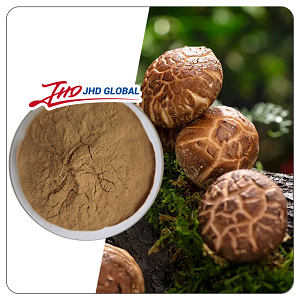
Standardized Plant Extracts Explained: Quality, Benefits and Applications
What Are Standardized Plant Extracts?
A standardized plant extract is a botanical ingredient that has been processed and tested to contain a specific amount of one or more active compounds.The demand for botanical ingredients continues to grow as consumers increasingly prefer natural, plant-based solutions in dietary supplements, functional foods, and wellness products. The Office of Dietary Supplements provides science-based information on dietary supplements, ingredients, and related health research.
In simple terms:
Standardization means controlling the level of important compounds to ensure batch-to-batch consistency.
For example:
- Turmeric extract standardized to contain a specific percentage of curcuminoids
- Green tea extract standardized for EGCG content
- Ashwagandha extract standardized for withanolides
- Milk thistle extract standardized for silymarin
Instead of relying only on the plant source, manufacturers focus on measurable quality markers.
Why Is Standardization Important for Botanical Ingredients?
1. Ensures Consistent Product Quality
One of the biggest challenges in botanical ingredients is natural variability.
The same plant species may have different active compound levels depending on:
- Soil conditions
- Climate
- Harvesting period
- Extraction methods
Without standardization, two batches of the same botanical ingredient may perform differently.
Standardized extracts help manufacturers maintain:
- Consistent potency
- Reliable formulation results
- Stable product quality
2. Improves Formulation Accuracy
For supplement brands, accurate formulation is essential.
When developing products, manufacturers need to know exactly how much active compound is delivered per serving.
For example:
A turmeric extract product may be formulated based on:
- Total turmeric powder amount
or:
- Curcuminoid concentration
Standardized extracts allow formulators to calculate ingredient levels more precisely.
This makes product development easier for:
- Capsules
- Tablets
- Powders
- Functional beverages
- Gummies
3. Supports Regulatory and Quality Requirements
Global supplement markets increasingly require transparent ingredient specifications.
Standardized botanical extracts typically include:
- Active compound specifications
- Certificate of Analysis (COA)
- Testing methods
- Quality parameters
This documentation helps brands:
- Verify ingredient quality
- Meet customer expectations
- Support regulatory submissions
How Are Plant Extracts Standardized?
Standardization usually involves several important steps.
Step 1: Selecting High-Quality Raw Materials
The process begins with carefully controlled botanical sourcing.
Factors include:
Botanical Identification
Confirming:
- Scientific plant name
- Plant species
- Plant part used
Geographic Origin
The growing region can influence:
- Active compounds
- Chemical composition
- Overall quality
Harvest Control
Harvest timing affects the concentration of important compounds.
Step 2: Extraction and Concentration
After sourcing, plants undergo extraction.
Common extraction methods include:
Water Extraction
Often used for:
- Polysaccharides
- Water-soluble compounds
Ethanol Extraction
Common for:
- Polyphenols
- Flavonoids
- Alkaloids
CO₂ Extraction
Used for:
- Sensitive botanical compounds
- High-value extracts
The extraction process determines how efficiently active compounds are collected.
Step 3: Active Compound Testing
After extraction, manufacturers analyze the ingredient to determine its composition.
Common testing methods include:
HPLC (High Performance Liquid Chromatography)
Used to identify and measure specific compounds.
Examples:
| Botanical Extract | Standardized Compound |
|---|---|
| Turmeric Extract | Curcuminoids |
| Ashwagandha Extract | Withanolides |
| Green Tea Extract | EGCG |
| Milk Thistle Extract | Silymarin |
Step 4: Adjusting Extract Specifications
If needed, manufacturers adjust the extract to achieve the required specification.
Examples:
- 5% active compound
- 10% active compound
- 40% active compound
This allows supplement companies to select ingredients based on their formulation goals.
Standardized Extracts vs Non-Standardized Plant Powders
Many companies compare standardized extracts with traditional botanical powders.
| Feature | Standardized Plant Extract | Plant Powder |
|---|---|---|
| Active compound level | Controlled | Variable |
| Potency | Higher | Lower |
| Consistency | High | Variable |
| Testing requirements | More comprehensive | Basic |
| Formulation flexibility | Excellent | Limited |
For premium supplements, standardized extracts are often preferred because they provide better quality control.
Popular Applications of Standardized Plant Extracts
Standardized botanical extracts are widely used across multiple industries.
Dietary Supplements
Applications include:
- Capsules
- Tablets
- Softgels
- Powder supplements
Common ingredients:
- Turmeric extract
- Ashwagandha extract
- Ginseng extract
- Mushroom extracts
Functional Foods and Beverages
Standardized extracts are increasingly used in:
- Energy drinks
- Wellness beverages
- Nutrition bars
Manufacturers choose standardized ingredients because they provide predictable formulation results.
Beauty and Nutricosmetics
Botanical extracts are also popular in:
- Skin health supplements
- Beauty-from-within products
- Anti-aging formulations
How to Choose a Standardized Plant Extract Supplier
When sourcing standardized botanical extracts, supplement brands should evaluate:
1. Testing Capability
A professional supplier should provide:
- HPLC testing
- Identity verification
- Microbial analysis
- Heavy metal testing
2. Clear Specifications
A reliable supplier should define:
- Active compound percentage
- Extraction ratio
- Recommended dosage
- Storage conditions
3. Manufacturing Experience
Experienced manufacturers understand:
- Extraction optimization
- Stability challenges
- Ingredient compatibility
4. Documentation Support
Important documents include:
- COA
- Specification sheets
- Safety data sheets
- Certifications
Common Mistakes When Buying Standardized Plant Extracts
Mistake 1: Choosing Only Based on Price
Lower-cost extracts may have:
- Lower active compound levels
- Poor consistency
- Limited testing documentation
Mistake 2: Ignoring Extraction Ratio
An extraction ratio alone does not always indicate quality.
For example:
10:1 extract does not automatically mean better quality.
The active compound specification is often more important.
Mistake 3: Not Checking Testing Methods
Reliable suppliers should clearly explain:
- What compounds are tested
- Which methods are used
- How results are verified
Future Trends of Standardized Botanical Extracts
The botanical ingredient industry is moving toward:
Higher Transparency
Brands increasingly require:
- Traceable sourcing
- Testing documentation
- Quality verification
Science-Based Formulations
Companies are moving from traditional herbal products toward:
- Clinically researched ingredients
- Standardized active compounds
- Evidence-based formulations
Customized Botanical Solutions
More manufacturers are requesting:
- Specific active compound levels
- Customized extract ratios
- Unique formulations
Why Partner With Ingredients Supply?
Ingredients Supply provides high-quality botanical ingredients for global supplement manufacturers.
Our solutions include:
- Standardized plant extracts
- Botanical ingredient sourcing
- Quality testing support
- Customized ingredient specifications
- Global supply solutions
With professional manufacturing capabilities and strict quality management, we help brands create reliable natural health products.
Frequently Asked Questions (FAQ)
What does standardized plant extract mean?
A standardized plant extract is a botanical ingredient produced to contain a consistent level of specific active compounds.
Are standardized extracts better than plant powders?
Standardized extracts usually provide higher consistency and more predictable active compound levels, making them suitable for professional supplement formulations.
How are standardized extracts tested?
Common testing methods include HPLC analysis, identity testing, microbial testing, and contaminant analysis.
What information should suppliers provide for standardized extracts?
Suppliers should provide:
- COA
- Specification sheet
- Active compound testing results
- Manufacturing certifications
Conclusion
Standardized plant extracts have become an essential part of modern supplement development because they provide consistency, quality control, and formulation reliability.
For brands sourcing botanical ingredients, working with an experienced plant extract supplier ensures access to properly standardized ingredients supported by professional testing and documentation.
As consumer demand for natural health products continues to grow, standardized botanical extracts will remain a key foundation for innovative supplement products.